
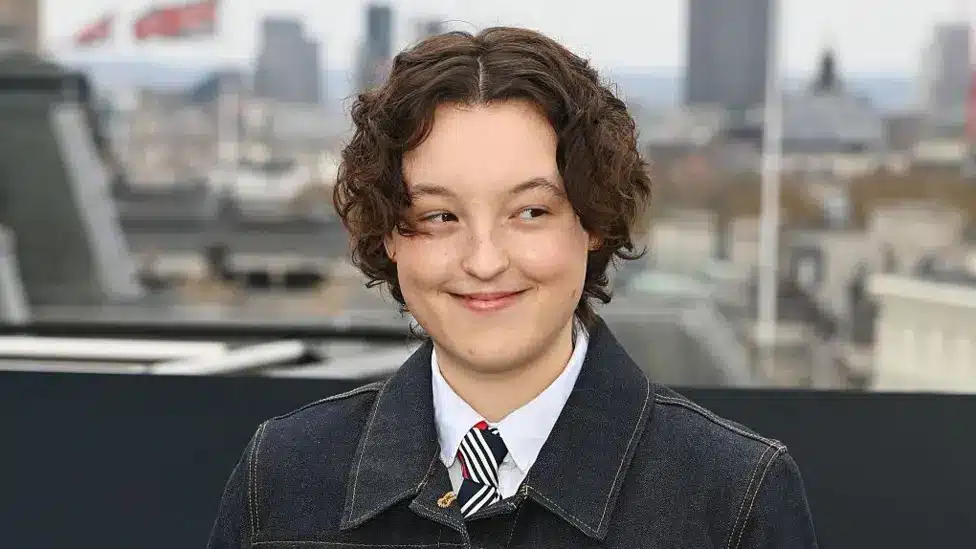
Bella Ramsey has admitted they sometimes regret being too sensible during their teenage years, saying they wish they had been more rebellious and enjoyed the freedom of adolescence.
Ramsey became a household name after appearing in Game of Thrones at just 11. Because much of their teenage life was spent working alongside adults, they never experienced the typical teenage phase of rebellion and moodiness.
They say they deliberately avoided becoming the kind of teenager adults complained about.
“I was like, I’m not going to be that,” Ramsey said.
Years later, Sunny Dancer gave them the chance to experience that teenage freedom – even if they were 21 at the time.
“I got to be a teenager aged 21, which was brilliant,” Ramsey told the BBC. “It was really nice – and liberating.”
The experience left them wondering what they might have missed.
“I kind of wish that I had made the most of being a teenager and getting away with things and being a bit rebellious,” they said.
In Sunny Dancer, Ramsey plays Ivy, a young cancer survivor who is in remission but reluctantly attends a summer camp for young people affected by cancer. What begins as an unwanted trip develops into a life-changing experience filled with friendship, freedom and self-discovery.
Ramsey’s younger co-stars also helped them catch up on teenage culture, introducing them to music and experiences they had missed.
“They were teaching me what being a teenager was for them,” Ramsey said.
A film shaped by real experiences
Behind the film is director and writer George Jaques, whose mother was diagnosed with cancer when he was 15.
Although the story is not directly based on his family, Jaques says his own experiences influenced parts of the film.
It took him eight years to feel ready to write about the subject.
“I never seem to write in the moment I’m going through it,” he explained. “You have to sort of get through and understand it and have that reflection of it.”
Jaques also wanted to avoid making assumptions about what young people with cancer experience. He worked with Teenage Cancer Trust and spoke to young survivors and bereaved parents.
Some of the young people he met challenged the language commonly used to describe them, telling him not to simply call them “brave”.
Their voices ultimately helped shape the film, with two of them later appearing in it.
The film also brought Jaques face-to-face with his own fears about losing his mother. During the premiere in Berlin, he saw her sitting in the audience and was overcome by the realisation that there was another possible version of that moment.
“I realised there’s a version of that movie where my mum wasn’t sitting in the audience,” he said.
‘It feels very unhealthily British’
Both Ramsey and Jaques believe society needs to become more comfortable with grief and stop expecting people to immediately return to normal after losing someone.
Jaques recalled losing someone close to him when he was 18 and having to continue with his A-levels.
“We are expected to just carry on,” he said.
Ramsey believes people in Britain can be particularly reluctant to admit when they are struggling.
“You speak to people who are grieving, you’re like, ‘How are you doing?’ They’re like, ‘Oh, yeah, yeah, you know, it’s hard, but I’m fine.’ It feels very unhealthily British,” they said.
After their unusual experience of playing a teenager searching for independence, Ramsey has a message for young people who feel pressured to change themselves to fit in.
“Don’t try and fit in. Please don’t change to try and fit in because there are people who will fit in with you.”
For Jaques, however, the solution cannot simply be telling young people to become tougher.
“There’s so much pressure on young people to change on social media,” he said. “Why don’t we stop hating on young people? Maybe that’s where we should start as well.”