
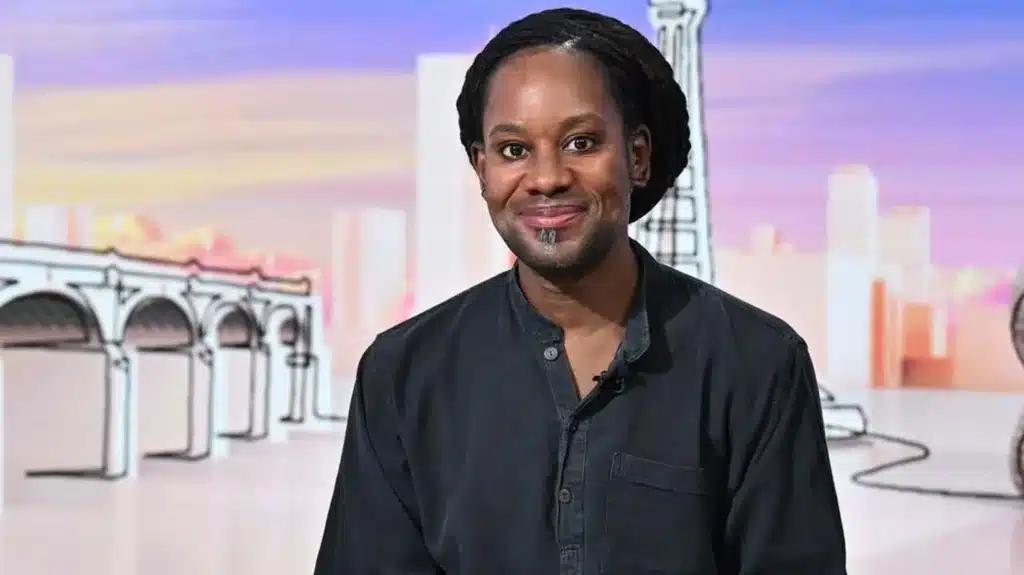
The death of former Cambridge professor Jason Arday has triggered a growing backlash over the media scrutiny he faced in the final weeks of his life, with thousands of people now demanding an investigation into how the story was reported.
More than 30,000 people, including Labour MP Diane Abbott and actress Jameela Jamil, have signed a letter to the prime minister calling for a public inquiry into press coverage surrounding the 41-year-old academic.
The letter, organised by the Good Law Project, alleges that Arday endured “two weeks of relentless harassment” after allegations about his academic work became the subject of intense media attention.
Among those backing the call are Green Party leader Zack Polanski, Labour MPs Bell Ribeiro-Addy, Clive Lewis and Nadia Whittome, former England footballer Eni Aluko, broadcaster Carol Vorderman and National Education Union general secretary Daniel Kebede.
The campaign is calling for an “immediate public inquiry into how to ensure a responsible press.”
Lord Woolley, principal of Homerton College at Cambridge and a friend of Arday, has gone further, describing what happened as a “vicious witch hunt.”
Speaking to BBC Radio 4’s Broadcasting House, Woolley revealed that he and several friends had met Arday just four days before he was found dead at an address in Battersea, south London.
Diane Abbott and activist Misan Harriman were among those who had gathered to support him, Woolley said.
According to Woolley, Arday felt “hounded” by the coverage and described the relentless attention as having become “a bloodsport.”
He recalled Abbott holding Arday’s hand and telling him: “We will help you get through this.”
But Woolley said the group was deeply concerned by what they saw.
“On that day, we saw a man half his body weight and desperate beyond belief,” he said.
Arday had resigned as Cambridge’s professor of sociology of education on 5 August, following allegations of plagiarism and questions about aspects of his academic achievements. He denied the allegations.
The controversy had erupted after academic Nathan Cofnas alleged that he had identified multiple instances of plagiarism in Arday’s work.
However, Liverpool John Moores University, which awarded Arday his PhD in 2015, later concluded that he had not plagiarised work.
Woolley questioned why Arday appeared to have attracted such intense scrutiny when other academics accused of plagiarism had not faced comparable levels of public attention.
He also raised the issue of race, arguing that the circumstances demanded questions about whether Arday had been subjected to “negatively differential treatment.”
The University of Cambridge announced an independent investigation into Arday’s appointment on 6 August.
The university said it had provided Arday with support for his physical and mental wellbeing, including counselling, and maintained that support even after his resignation.
“Our support continued in the face of intense public and media scrutiny and after his resignation,” a Cambridge spokesperson said.
Arday’s appointment had itself been regarded as significant. Black professors remain a very small minority within British academia, with only around 1% of UK university professors being Black.
As questions surrounding his final weeks continue, public support for his family has also grown. More than £40,000 has been raised through a fundraiser launched by Windrush campaigner Sir Patrick Vernon.
Meanwhile, a vigil organised by Stand Up To Racism is due to take place in London’s Trafalgar Square.
The growing campaign now places a difficult question at the centre of the controversy: where should the line be drawn between legitimate scrutiny of public figures and relentless media pressure—and who should be held accountable when that line is crossed?